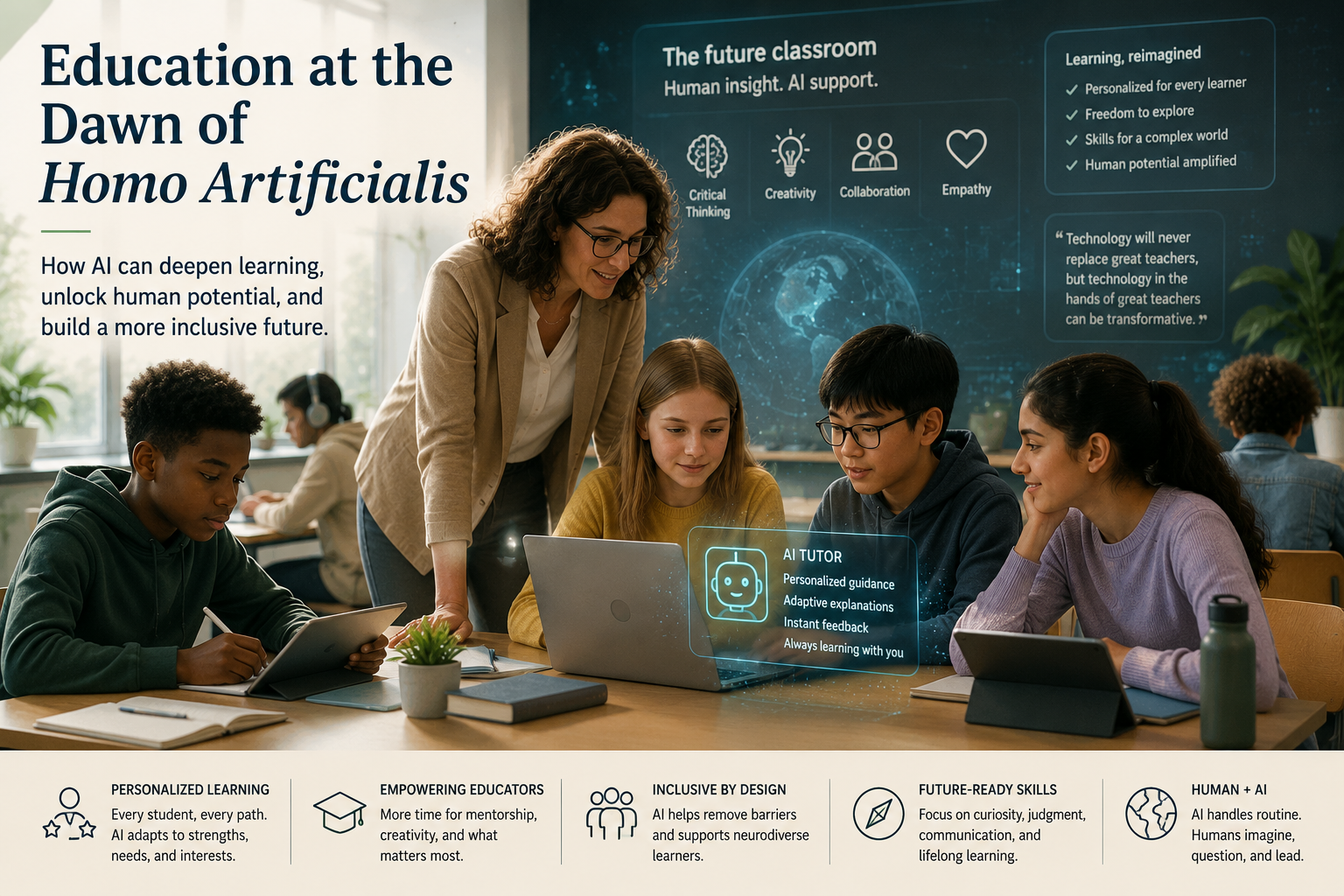
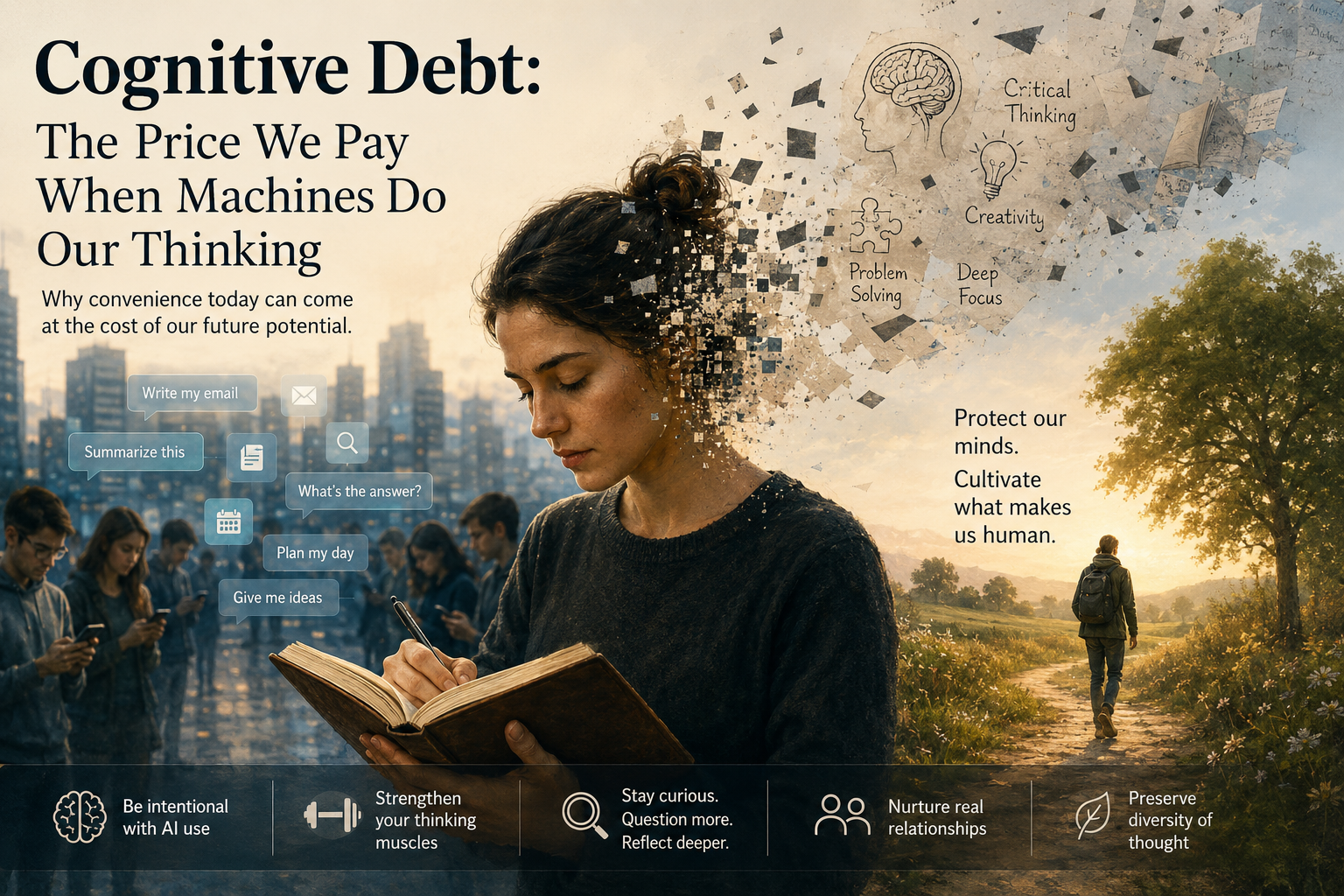
.jpeg.jpg)
From Mass Messaging to Precision Persuasion
For decades, political campaigns relied on visibility:
- speeches in public squares
- televised debates
- posters and party programs
These methods were imperfect, but they were visible and shared.
Today, AI has fundamentally changed that model.
Campaigns can now:
- analyze vast datasets about voters’ behavior and preferences
- segment audiences into highly specific psychological and demographic profiles
- deliver tailored messages designed to trigger emotional responses
👉 This is not mass persuasion anymore.
👉 This is precision persuasion.
Real-World Signals: AI in the Danish Elections
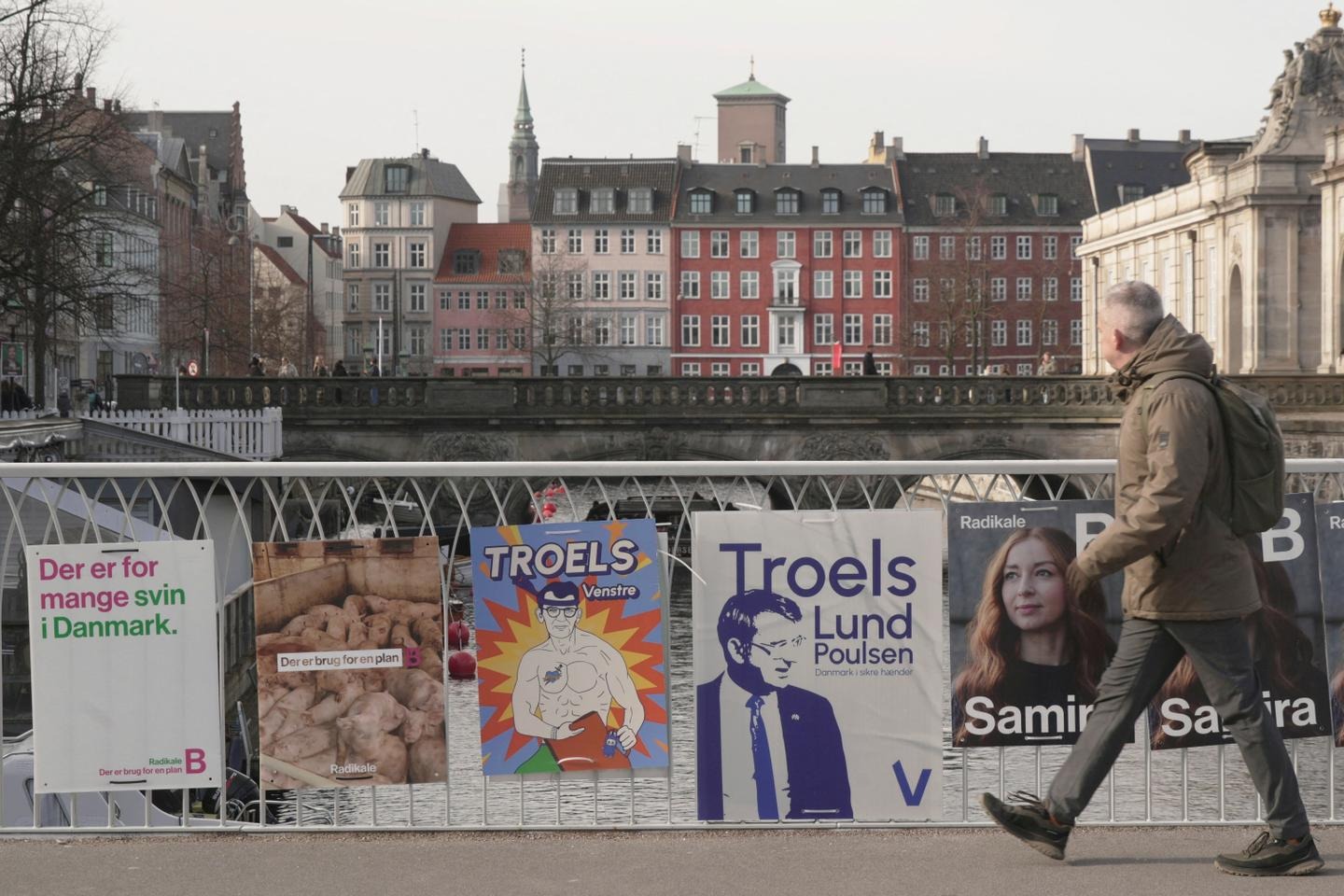

Denmark has long been known for high levels of trust and transparency—but even here, AI is beginning to reshape campaigning in subtle ways.
1. Micro-targeted Social Media Campaigns
Political parties are increasingly using AI-driven tools to:
- segment voters based on interests and behavior
- tailor messaging for specific groups (e.g. climate voters vs. economic voters)
👉 Two citizens may support the same party—but receive completely different narratives.
2. AI-Optimized Messaging and Content Testing
Campaign teams now use AI to:
- test which headlines or messages perform best
- adapt tone and framing in real time
- optimize engagement across platforms
👉 Messaging is no longer just crafted—it is continuously refined by algorithms.
3. Early Use of AI Chatbots for Voter Interaction
Some campaigns and political organizations have experimented with:
- automated chat interfaces answering voter questions
- AI-assisted FAQ systems on websites or messaging platforms
👉 While efficient, this raises questions:
- Are voters speaking to a human—or a system?
- How are responses shaped and filtered?
A More Aggressive Landscape: AI in the Hungarian Campaign
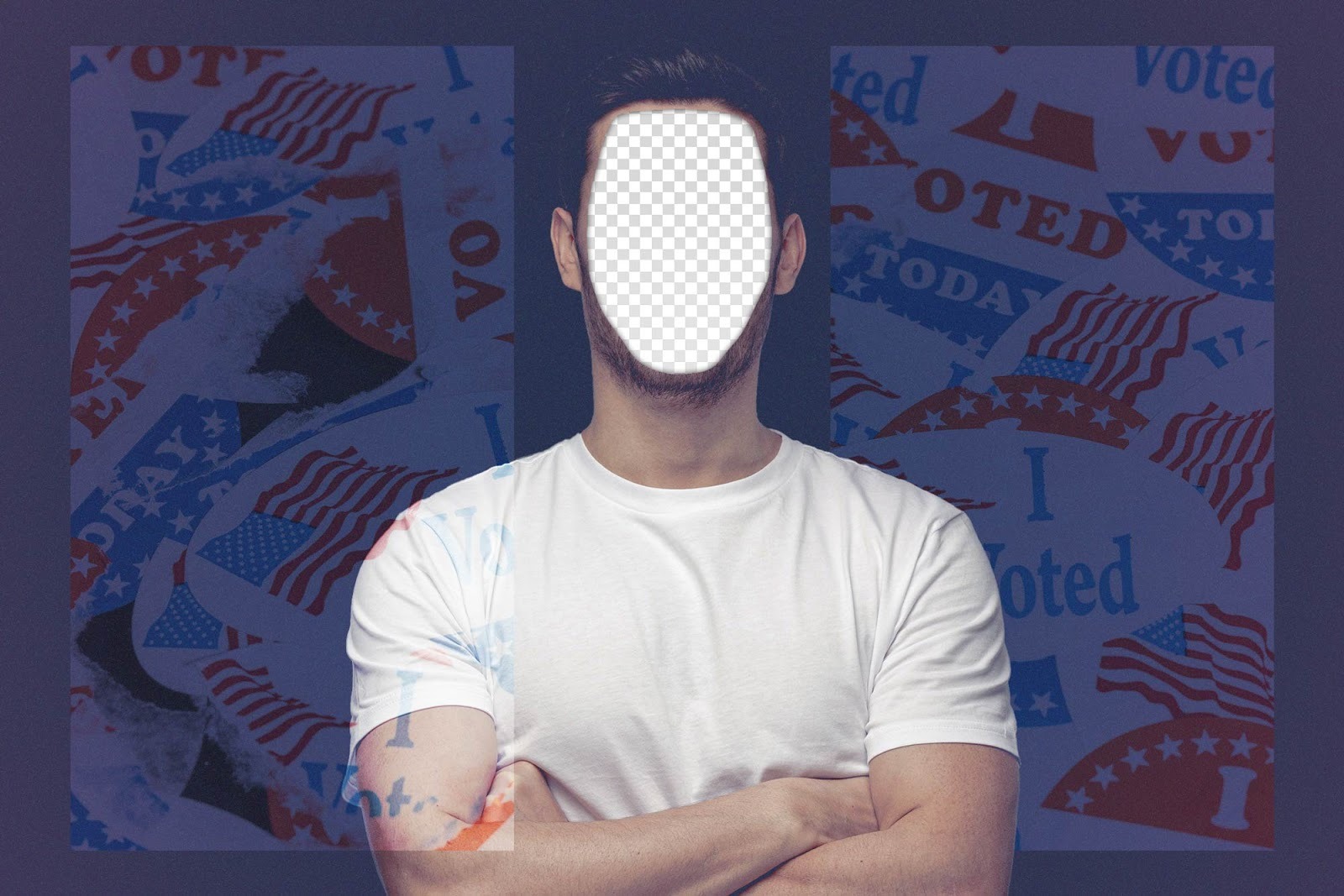
In Hungary, where political communication is more centralized and polarized, AI-driven tools can have an even stronger impact.
1. Narrative Amplification Through Algorithmic Media
AI is increasingly used to:
- amplify specific political narratives across aligned media ecosystems
- optimize timing and repetition of key messages
👉 This creates a reinforced information loop, where certain viewpoints dominate visibility.
2. Emotionally Targeted Messaging
Campaign messaging is often tailored to trigger:
- fear
- national identity
- security concerns
AI tools help analyze which narratives resonate most with different groups and adjust content accordingly.
👉 The result is not just persuasion—but emotional calibration at scale.
3. Risk of Synthetic and Manipulated Content
While not always officially acknowledged, the broader ecosystem shows growing risks of:
- AI-generated visuals or edited videos
- misleading or semi-synthetic political content
- blurred lines between authentic and generated messaging
👉 In such environments, the challenge is no longer just misinformation.
👉 It is uncertainty about reality itself.
The Rise of Invisible Influence
Across both contexts—Denmark and Hungary—the pattern is clear:
AI enables influence that is:
- personalized
- adaptive
- often invisible
Most voters do not know:
- why they see certain messages
- how those messages were created
- what data shaped them
And that invisibility changes the nature of democracy.
Because democracy depends on shared awareness and informed choice.
When Reality Becomes Uncertain
The rise of generative AI introduces another layer of complexity: the manipulation of reality itself.
Deepfakes, synthetic voices, and AI-generated statements are becoming increasingly accessible.
This leads to a critical erosion:
👉 Trust in what we see and hear
If anything can be generated, then everything becomes questionable.
The Responsibility Gap
As AI becomes embedded in political processes, a fundamental question emerges:
Who is responsible when AI-driven influence crosses ethical lines?
Is it:
- the campaign?
- the platform?
- the developers?
Current systems do not provide clear answers.
👉 And that lack of accountability creates systemic risk.
What Needs to Change—Now
To protect democratic systems in the age of AI, action is needed across multiple levels:
Transparency by Design
Citizens must know:
- when AI is used
- how content is personalized
- what data informs it
Regulation That Matches Technological Speed
Policy must evolve to address:
- AI-generated political content
- algorithmic targeting
- cross-platform influence systems
AI Literacy as a Civic Skill
Citizens need to understand:
- how AI shapes information
- how influence works
- how to critically evaluate content
👉 AI literacy is now part of democratic participation.
A Turning Point for Democracy
AI is not inherently a threat—but it is a force multiplier.
It amplifies:
- both truth and misinformation
- both participation and manipulation
The future of democracy will depend on how we manage that amplification.
Final Reflection
Democracy has always adapted to new technologies.
But AI is different.
It operates quietly, shaping what we see, how we think, and ultimately, how we decide.
👉 The challenge is not just to regulate AI.
👉 It is to ensure that human agency, transparency, and trust remain at the core of democratic life.